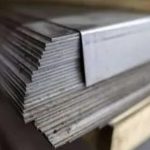
In today’s competitive manufacturing landscape, American industries are constantly seeking ways to enhance product quality, streamline production, and maintain cost-effectiveness. One of the most significant advancements supporting these objectives is the adoption of advanced metalworking techniques. For those searching for ways to achieve tighter tolerances and more consistent results, Precision Sheet Metal Fabrication has become a leading solution, driving measurable improvements across various sectors.
The Role of Precision in Modern Manufacturing
Precision in manufacturing refers to the ability to produce parts and components that meet exact specifications with minimal deviation. This level of accuracy is especially vital in industries such as aerospace, automotive, electronics, and medical device production, where even minor inconsistencies can impact safety or performance. By leveraging computer-aided design (CAD) and computer-aided manufacturing (CAM) systems, manufacturers can achieve intricate geometries and repeatable quality that manual methods simply cannot match.
Advantages of Precision Sheet Metal Fabrication
Superior Consistency and Repeatability
One of the core benefits of modern sheet metal fabrication is the ability to produce identical parts in large quantities. CNC (computer numerical control) machinery and automated processes ensure that every piece matches the original design specifications. This repeatability minimizes defects and reduces waste, which is essential for industries that rely on mass production.
Enhanced Product Quality
Precision fabrication techniques allow for tighter tolerances and cleaner edges, resulting in products that fit together seamlessly. This directly translates into improved assembly processes, longer product lifespans, and greater end-user satisfaction. High-quality components are less likely to fail or require rework, saving both time and money for manufacturers.
Design Flexibility and Complex Geometries
Modern fabrication equipment enables the creation of complex shapes and intricate features that were once considered impossible or too costly to produce. This flexibility empowers engineers to innovate, developing lighter, stronger, and more efficient products. Whether it’s intricate brackets for electronics or aerodynamic panels for vehicles, precision fabrication opens new possibilities for design.
Cost Savings and Efficiency
While initial investments in advanced equipment and skilled labor can be significant, the long-term savings are considerable. Automated processes reduce manual labor, minimize material waste, and decrease the likelihood of costly errors. Additionally, faster production cycles mean that American manufacturers can respond quickly to changing market demands, maintaining a competitive edge.
Applications Across American Industries
Precision sheet metal techniques are widely used in numerous sectors, each with its own unique requirements:
• Aerospace: Lightweight, high-strength components are essential for fuel efficiency and safety. Precision fabrication ensures that parts meet strict regulatory standards.
• Automotive: From chassis components to intricate dashboard elements, precision fabrication supports the production of reliable, high-performance vehicles.
• Electronics: Miniaturized housings and intricate connectors require tight tolerances to ensure proper function and durability.
• Medical Devices: In the medical field, accuracy is paramount. Fabricated metal parts must meet stringent hygiene and safety standards for use in surgical instruments and diagnostic equipment.
Quality Assurance and Compliance
Maintaining high standards is critical for any manufacturer, but especially so in regulated industries. Precision sheet metal processes often incorporate rigorous quality control measures, including:
• In-Process Inspections: Automated sensors and measurement tools monitor parts as they are produced, catching defects early.
• Final Inspections: Comprehensive checks guarantee that each component meets all dimensional and material requirements before shipment.
• Documentation and Traceability: Detailed records ensure compliance with industry standards and facilitate audits or recalls if necessary.
These quality assurance practices not only build trust with customers but also help manufacturers avoid costly recalls and legal challenges.
Supporting American Manufacturing Competitiveness
American manufacturers face increasing competition from overseas. By adopting advanced fabrication techniques, they can produce higher-quality products more efficiently, supporting the resurgence of domestic manufacturing. Localized production also reduces lead times and shipping costs, providing additional value to customers.
Moreover, investing in skilled labor and state-of-the-art equipment creates jobs and strengthens the U.S. industrial base. As demand grows for precision-engineered products, American industries that embrace these technologies are better positioned to thrive in a global marketplace.
Embracing the Future of Manufacturing
The evolution of manufacturing processes continues to accelerate, with automation, digitalization, and new materials driving further innovation. Precision sheet metal fabrication stands at the forefront of this transformation, enabling American industries to produce better products, reduce costs, and maintain a reputation for quality.
By focusing on accuracy, consistency, and efficiency, manufacturers can meet the evolving needs of their customers while supporting economic growth and job creation at home. As technology advances, those who invest in precision techniques today will lead the way in shaping the future of American manufacturing.